
A fully loaded semi-truck can weigh up to 80,000 pounds. When one collides with a passenger vehicle on busy Atlanta roadways like I-75, I-85, I-20, or the Downtown Connector, the consequences are often life-changing. Victims may face catastrophic injuries, lengthy medical treatment, lost income, and mounting uncertainty about the future. Unlike a typical car accident, a semi-truck crash can involve federal trucking regulations, electronic driver logs, maintenance records, multiple insurance policies, and several potentially responsible parties.
If you were injured in a crash involving a commercial truck, working with an experienced Atlanta semi-truck accident attorney can help protect critical evidence and identify every source of potential liability. At Evans Litigation and Trial Law, LLC, we represent individuals throughout the Atlanta area who have been seriously injured in collisions with commercial vehicles. Our firm understands the unique challenges these cases present and the steps necessary to pursue meaningful compensation. The sections below explain how semi-truck accident claims work and how legal representation can help you move forward.
What Is a Semi-Truck Accident?
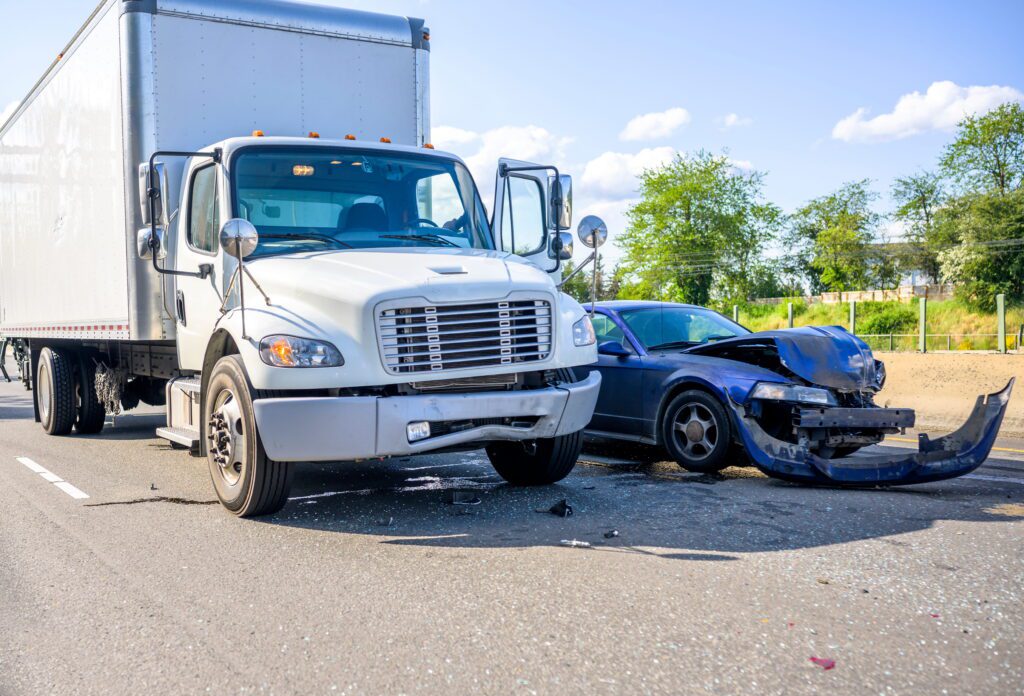
A semi-truck accident involves a collision with a large commercial vehicle. These trucks are significantly larger and heavier than passenger vehicles, which means that crashes can cause severe damage even at relatively low speeds.
These accidents can involve several types of commercial trucks commonly seen in and around Atlanta, including:
- Tractor-trailers,
- Box trucks,
- Flatbed trucks,
- Refrigerated trucks,
- Car carrier trucks,
- Livestock trucks,
- Intermodal container trucks, and
- Logging trucks.
Semi-truck accidents raise complex questions about safety rules, maintenance practices, and responsibility. Understanding what constitutes a semi-truck accident helps explain why these cases differ from ordinary car crashes.
Who Can Be Held Responsible for a Semi-Truck Accident?
Commercial trucking operations involve multiple parties, each with specific duties related to safety, maintenance, and compliance. Below are some of the parties that may be responsible, depending on the circumstances of the accident.
Truck Driver
The truck driver may be responsible if their actions behind the wheel contributed to the crash. This can include issues such as the following:
- Distraction,
- Fatigue,
- Under the influence of drugs or alcohol,
- Speeding, or
- Failure to follow traffic laws.
Driver conduct is often evaluated using logs, electronic data, and witness statements. Understanding what the driver was doing before the accident is a key part of the investigation.
Trucking Company
The trucking company is responsible for managing its drivers and vehicles. It must hire qualified drivers, provide training, schedule routine maintenance, and enforce safety policies. Company scheduling, supervision, or oversight can contribute to accidents. Reviewing company records reveals whether these duties were fulfilled.
A trucking company can also be responsible for the negligent acts of its drivers if they are employees.
It may also be liable if it pressures drivers to meet unrealistic deadlines that conflict with federal hours-of-service regulations, which restrict driving hours and require rest breaks to reduce fatigue.
Maintenance or Repair Providers
Trucking companies may use outside parties to inspect, service, or repair their vehicles. If the accident occurred due to brake failure, tire problems, or defects, the maintenance provider may be held responsible.
Evaluating service records can indicate whether repairs were completed correctly and on time.
Cargo Loaders or Loading Companies
Cargo loading directly affects a truck’s balance, handling, and stopping ability. Overloaded, uneven, or unsecured cargo means the party who loaded the trailer may share fault. Review the load documentation and shipping records to assess this.
Manufacturers or Parts Suppliers
Sometimes, a defective truck part can cause or worsen an accident. Defects may involve brakes, tires, steering, or other critical equipment. If a defect is suspected, manufacturers or suppliers may be responsible.
What Should You Do After a Semi-Truck Accident?
After a semi-truck accident, immediately document everything and protect your rights. Doing this early helps prevent issues if you later need to file a claim.
- Get medical care and follow up as advised. Seeing a provider promptly helps identify injuries that may not be immediately apparent. Continuing treatment creates a medical record that shows how the accident has affected your health over time.
- Collect witness information. If anyone witnessed the crash, try to obtain names and contact details. Independent witnesses can provide valuable accounts of what happened, especially when fault is in dispute.
- Preserve evidence from the scene. Photos of vehicle damage, skid marks, road conditions, and surrounding areas can help capture details that may change quickly. Keep copies of any paperwork or information given to you at the scene.
- Request a copy of the police report. A police report often contains key facts, diagrams, and statements that become part of an insurance or legal review.
- Be cautious with insurance communications. You may receive a phone call from an insurance company representing the truck driver or trucking company. Avoid providing recorded statements or signing documents without consulting a seasoned attorney first.
- Limit what you share online. Social media posts about the accident or your activities can be taken out of context and used in a way that you may not intend. Avoid posting details while the situation is unresolved.
- Contact a semi truck accident lawyer in Atlanta. Semi-truck cases often involve commercial carriers, multiple layers of insurance coverage, and evidence that can disappear quickly. Obtaining legal guidance early helps ensure that the focus remains on the facts that truly matter.
In semi-truck accident cases, delays and missteps can shape the outcome long before a claim is ever filed. Knowing when to act and who to involve can make a meaningful difference.
Why Choose Evans Litigation and Trial Law, LLC?
Semi-truck accident cases often involve aggressive insurance carriers that act quickly to limit their exposure. An Atlanta semi-truck accident lawyer understands how these companies handle claims, build defenses, and determine whether to settle or litigate. This knowledge can make a real difference from the start.
Evans Litigation and Trial Law, LLC brings a unique perspective to semi-truck accident litigation because of Alfred L. Evans III’s background in insurance defense. Early in his career, Alfred represented trucking companies, truck drivers, and insurance carriers in cases that were already in litigation. That experience provides valuable insight into how insurers analyze liability, scrutinize injuries, and look for ways to reduce payouts in serious truck accident cases.
We now use that inside knowledge for the benefit of injured individuals, not insurance companies. We know the records insurers rely on, where they challenge claims, and how they negotiate or prepare for trial. This gives us an advantage in building your case.
When you are facing a semi-truck accident claim, having a law firm that understands both sides of the process can help level the playing field. Our approach is focused, informed, and built around protecting our clients’ interests at every stage of the case.
What Compensation Can You Recover After a Semi-Truck Accident?
An experienced Atlanta semi-truck accident attorney will evaluate every category of damages available under Georgia law. Because semi-truck crashes often cause catastrophic injuries, the financial and personal losses can be substantial.
Economic Damages
Economic damages compensate accident victims for measurable financial losses resulting from the crash.
Depending on the circumstances, these damages may include:
- Emergency medical treatment and hospitalization;
- Surgeries, rehabilitation, and physical therapy;
- Prescription medications and medical equipment;
- Lost wages during recovery;
- Reduced earning capacity; and
- Future medical expenses related to long-term injuries.
Many semi-truck accident victims require ongoing care for months or even years after a collision. A thorough claim should account not only for current expenses but also for anticipated future costs associated with the injury.
Noneconomic Damages
Georgia law also allows injured victims to pursue compensation for losses that do not have a specific dollar amount attached.
These may include:
- Physical pain and suffering;
- Emotional distress;
- Mental anguish;
- Loss of enjoyment of life; and
- Loss of consortium suffered by a spouse.
Serious trucking accidents can permanently affect a person’s ability to work, participate in hobbies, or maintain relationships. These damages recognize the real impact an injury can have on everyday life.
Punitive Damages
In certain cases, punitive damages may also be available. Under state law, punitive damages are intended to punish particularly reckless or willful misconduct rather than compensate the victim. Examples may include trucking companies that knowingly violate federal safety regulations or drivers who operate commercial vehicles while impaired. Evidence of hours-of-service violations under federal regulations may also support punitive damage claims in appropriate circumstances.
An Atlanta tractor-trailer accident lawyer can determine whether punitive damages may apply based on the facts of your case.
Injured in a semi-truck accident? Get the help you need today.
"*" indicates required fields
Get Help from a Semi-Truck Accident Lawyer in Atlanta
A semi-truck accident brings tough choices and unanswered questions. When the stakes are high, legal guidance helps you see your options and navigate the process with confidence.
Evans Litigation and Trial Law, LLC brings over two decades of litigation and trial experience to semi-truck accident cases. That experience shapes how we evaluate claims, prepare cases, and solve challenges that arise in commercial vehicle litigation. Our approach focuses on preparation, clarity, and advocacy for our clients at every stage of the process.
If you were injured in a semi-truck accident, you do not have to navigate the process alone. Contact Evans Litigation and Trial Law, LLC today to speak directly with a dedicated Atlanta semi-truck accident attorney. Take the next step toward protecting your rights and securing the compensation you deserve. Reach out now for a confidential case evaluation.
Frequently Asked Questions About Semi-Truck Accidents in Atlanta
What Makes a Semi-Truck Accident Case More Complex Than a Regular Truck Accident Claim in Georgia?
Semi-truck accidents often involve multiple potentially liable parties, including drivers, trucking companies, maintenance contractors, cargo loaders, and manufacturers. Federal trucking regulations, electronic logging devices, maintenance records, and corporate insurance policies can also make these cases significantly more complex than a typical passenger vehicle collision.
How Long Do I Have to File a Semi-Truck Accident Claim in Atlanta?
In most cases, Georgia’s statute of limitations gives injured victims two years from the date of the accident to file a personal injury lawsuit. Missing this deadline can prevent you from recovering compensation.
What Damages Can I Recover After a Semi-Truck Accident in Atlanta?
You may be entitled to economic damages, noneconomic damages, and, in some cases, punitive damages. Compensation often includes medical expenses, lost income, future treatment costs, pain and suffering, and other losses resulting from the crash.
What If the Trucking Company Says the Atlanta Semi-Truck Accident Was My Fault?
Georgia follows a modified comparative negligence rule. You may still recover compensation if you are less than 50% responsible for the accident, although your recovery may be reduced by your percentage of fault. Insurance companies frequently raise fault arguments to limit payouts, making a prompt investigation critical.
How Much Does an Atlanta Semi-Truck Accident Attorney Cost?
Most personal injury firms, including truck accident attorneys, handle cases on a contingency fee basis. This means attorney fees are generally collected only if compensation is recovered through a settlement or verdict. Discuss fee arrangements directly with your attorney during your consultation.
Legal References Used to Inform This Page
To ensure the accuracy and clarity of this page, we referenced official legal and other resources during the content development process: